

Explore how we can empower your journey towards sustainability reporting
About Sustainability Reporting
Regulatory Framework
Bursa Malaysia introduced the Sustainability Reporting Framework (SRF) in 2015, making it mandatory for listed companies to disclose their sustainability practices in their annual reports.
Reporting Requirements
Companies are required to disclose their sustainability initiatives, targets, and performance indicators, focusing on material ESG matters.
Global Reporting Initiatives (GRI)
By aligning with GRI, a comprehensive guidelines and indicators for reporting on ESG aspects, companies can ensure consistency and comparability in their sustainability reporting, both locally and internationally.
Materiality Assessment
This process helps companies understand which sustainability aspects are significant to their business operations and stakeholders, ensuring that the reported information is relevant and impactful.
Stakeholder Engagement
Companies are encouraged to involve their key stakeholders, such as customers, employees, suppliers, communities, and investors, in the reporting process to gain insights, address concerns, and build trust.
Non-Financial Disclosure
Sustainability reporting complements traditional financial reporting by providing a more comprehensive view of a company’s performance that allows stakeholders to assess a company’s long-term value and sustainability.
The Real Opportunities
Top 10 Benefits of Sustainability Reporting
Market Differentiation
Embracing ESG practices sets companies apart from their competitors. By demonstrating a commitment to sustainability, responsible business conduct, and positive social impact, organisations can differentiate themselves in the market and attract conscious consumers and investors.
Access to New Markets
Many international markets now prioritize sustainable products and services. Companies with strong ESG credentials are better positioned to access these markets, expanding their customer base and tapping into new revenue streams.
Enhanced Reputation and Brand Image
Adopting ESG practices enhances an organisation’s reputation and brand image. Positive social and environmental initiatives build trust and credibility with stakeholders, fostering stronger relationships with customers, partners, and communities.
Investor Attraction
Institutional investors are increasingly integrating ESG criteria into their investment decisions. Companies with robust ESG practices are more likely to attract responsible investors, potentially leading to increased capital inflows and favorable financing terms.
Supply Chain Resilience
Integrating ESG considerations into supply chain management enhances resilience. Companies that prioritize sustainability can better navigate climate-related risks, resource scarcities, and social disruptions, ensuring business continuity and stability.
Cost Savings and Efficiency
Sustainable practices often lead to cost savings and operational efficiencies. Energy-efficient measures, waste reduction initiatives, and sustainable sourcing can contribute to lower expenses and improve overall business performance.
Innovation and Adaptability
Embracing ESG practices fosters a culture of innovation and adaptability. Companies and exporters are encouraged to find sustainable solutions to complex challenges, driving creativity and promoting continuous improvement.
Enhanced Stakeholder Engagement
ESG practices encourage transparent and open communication with stakeholders. Engaging with customers, employees, communities, and regulators strengthens relationships and facilitates valuable feedback, leading to more informed decision-making.
Risk Mitigation
Proactively addressing ESG risks, such as climate change impacts or social issues, helps organisations mitigate potential threats to their business. Effective risk management safeguards against reputational damage and financial losses.
Positive Societal Impact
Embracing ESG practices allows companies and exporters to contribute positively to society and the environment. Through social initiatives, community engagement, and responsible business conduct, organisations can create a lasting and meaningful impact.
The Listing Requirements
Practice Note 9.25:
Disclosure in annual report
A narrative statement of the listed issuer’s management of material economic, environmental and social risks and opportunities (“Sustainability Statement”), in the manner as prescribed by the Exchange.
Practice Note 9.28:
Suspension or de-listing for failure to comply
A listed issuer must comply with the timeframes, or such extension of time granted by the Exchange
Sustainability Reporting Framework
2015
- Provide a narrative statement on the management of material economic, environmental and social (“EES”) risks and opportunities in their annual reports (“Sustainability Statement”)
2018
- References to the SDGs and the TCFD Recommendations and a new chapter on assurance to provide guidance on how it may be conducted
2022
- Disclosure of prescribed common sustainability matters and common indicators
- Disclosures in line with the TCFD Recommendations
- Enhancing disclosure of quantitative information of at least 3 financial years’ data
- Requiring a statement on whether the sustainability statement has been assured

To develop a Sustainable Report in 4 steps
1. Preparation
2. Disclosure
3. Assessment
4. Reporting
Capacity Building
Capacity building refers to the process of developing and enhancing the knowledge, skills, abilities, and resources of talents, organizations, or communities to effectively address challenges and achieve their objectives. It is a fundamental aspect of sustainable development and plays a crucial role in empowering individuals and organizations to take on new roles, respond to emerging needs, and drive positive change.
Key Elements of Capacity Building:
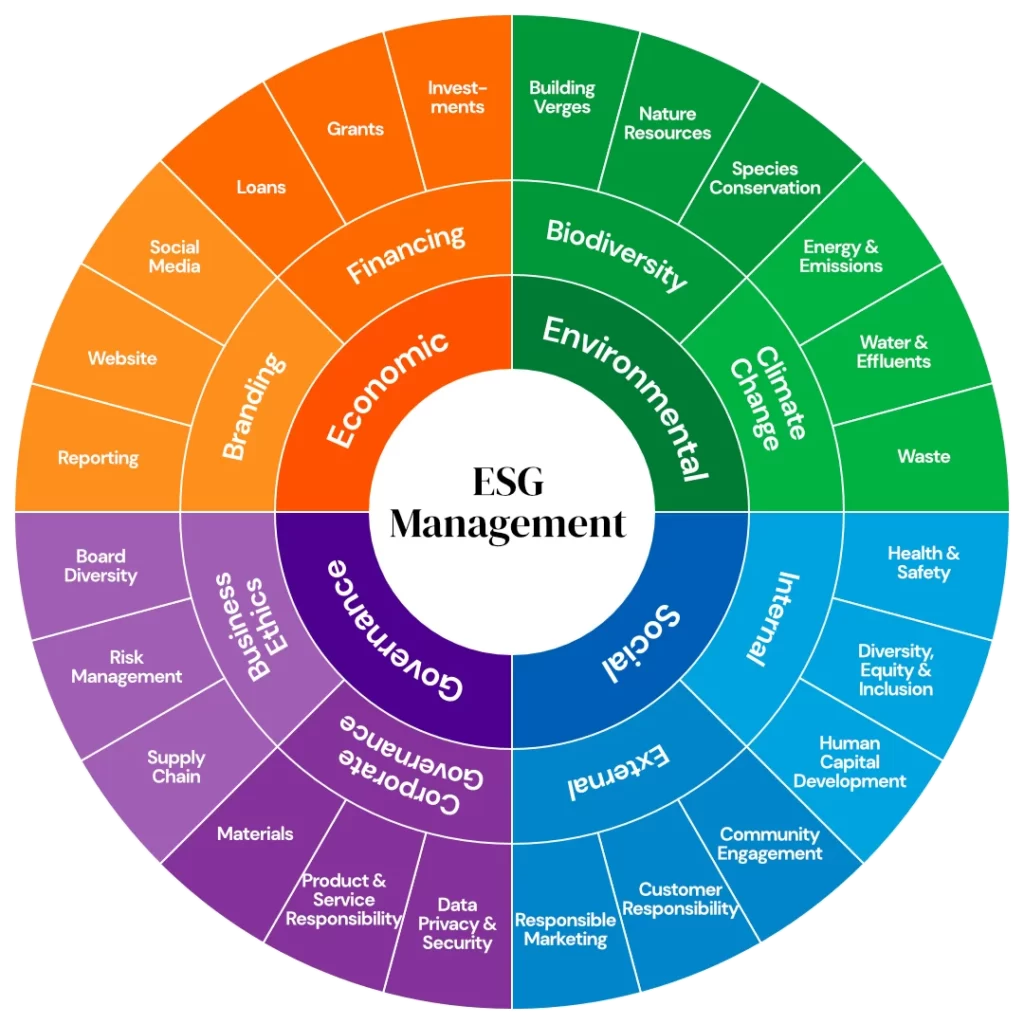
Unlock our comprehensive ESG Management